
Loading...
2 view(s)
5 min read
Ed Hardy, VonDutch, Juicy Couture. There was a time (2004-ish) when you couldn’t walk down the street without seeing someone dressed head to toe in brands. Back then, brands had to shout to sell. If your VonDutch hat didn’t have a logo emblazoned in two-inch letters across the front, what was the point? But by 2007, it was all over. Our rhinestones T-shirts and velvet tracksuit bottoms were relegated to the back of the wardrobe and it seemed like the age of flashing brands was over.
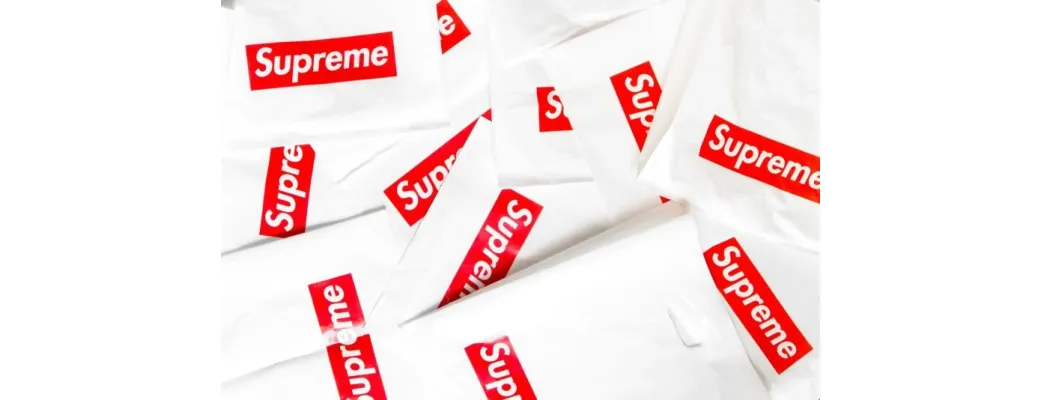
But in 2018, Gucci – a brand famous for its signature over the top branding – reported a 49% sales growth1. And with Supreme (you’ve seen their red logo) making huge markups on everything from water guns to building materials – oh yes you can buy a supreme brick for £28 – the tides appear to be changing.
 Tote bags aren't the only products where brand names commanding high price points. A standard ballpoint pen could cost you as little as £0.51 on our site. But if you’ve £590 laying around, you could grab one from Louis Vuitton. Take a look at some of the figures we found:
 Aman Brar, Head of Ecommerce for Printkick says:
So, Are Brands Back?
Well, yes. And it really is out of control. Our research suggests that we’ve done away with brand loyalty and replaced it with brand obsession. When Beats by Dr Dre partnered with MCM, they marked up their product by 81%. People were prepared to pay £122 more, for the exact same product, just covered in MCM’s signature branding. It appears we don’t care what it is, if it’s branded, we want it, and are willing to pay top dollar to get it. But most of all, we want to share our branded buys all over social media.Why are Brands Back?
In short, millennials obsession with nostalgia is the biggest factor. According to an article by Business Insider, in 2017 around 55% of Gucci’s sales were made by millennials – with their love of 90’s/early noughties fashion proving a boon for other logo heavy brands including Calvin Klein, Tommy Hilfiger, Champion and even Ed Hardy.Our research
To see how far this brand obsession goes, we took a few of our products and compared them to their branded counterparts. How much did they cost? And how many times were they shared on Instagram? For example, our canvas tote bag retails for £0.79, but a Chanel branded canvas tote bag will set you back a whopping £2,745. And whilst that price tag might be eyewatering to some, with over 81,000 Instagram posts with the hashtag #Chaneltote, it’s clear that more than a few are happy to pay. If you’re into numbers, that’s around 31 shares per pound and who doesn’t love a bit of free advertising? We see similar numbers when we look at other iconic brands like Gucci, where a tote covered in their logo will cost you £1,690, and the hashtag #Guccitote has been shared over 31,000 times.
Tote bags aren't the only products where brand names commanding high price points. A standard ballpoint pen could cost you as little as £0.51 on our site. But if you’ve £590 laying around, you could grab one from Louis Vuitton. Take a look at some of the figures we found:
Aman Brar, Head of Ecommerce for Printkick says:
“Branding transforms our products from a commodity into an experience. People buy branded products to feel close to an idea, movement or theme they can share with others. Everyday items display your personality to the world, and brands which hook into this feeling have won big.” “Creating a shareable brand that resonates with human values is the quickest way to successful marketing. From Chillys bottles to Daniel Wellington watches, strong branding creates a viral pull factor for customers. Businesses can use this to create a marketing ‘moat’ which can keep profit margins high, and feed back into social media success.”


